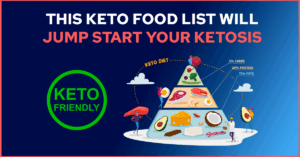




This Keto Food List Will Jump Start Your Ketosis

Trying to start a keto diet, but not sure what you should eat? The ketogenic diet is a low-carb, high-fat plan that can help with weight loss and blood sugar control. This list will show you which foods support ketosis and get your body burning fat for energy instead of carbs.
Stick around if you want clear answers on how to fuel your keto journey!
Key Takeaways
- Eat foods high in fats like olive oil, avocado, and cheese to start ketosis.
- Choose low-carb vegetables like zucchini and spinach for vitamins without the carbs.
- Pick proteins that support keto, such as eggs, salmon, and chicken thighs.
- Use keto-friendly sweeteners like stevia instead of sugar to keep carbs low.
- Include nuts and seeds for snacks since they are high in healthy fats.
Essential Keto Food Groups

Switching to a ketogenic diet means you get most of your calories from fat, with less from carbs (think—cheese over rice or steak instead of bread). You’ll want to fill your cart with high-fat basics like olive oil, coconut oil, and plenty of low-sugar veggies for balance.
Healthy Fats and Oils
Seventy to eighty percent of your daily calories on the keto diet come from fats. Avocado oil and olive oil are perfect for salads, cooking, or sauces. These oils help keep cholesterol levels in check and fit right into a Mediterranean diet style (yes, even if you like those fancy Greek salads with lots of olive oil).
Coconut oil is another favorite; it gives recipes that tropical touch but has more saturated fat. Save coconut oil and grass-fed butter for special meals—use them sometimes rather than all the time.
Skip margarine or anything full of trans fats… seriously, never touch them if you care about heart health or lowering LDL (“bad”) cholesterol levels. MCT oil is great too; these medium chain triglycerides boost ketone bodies fast (perfect for weight loss dieters needing quick energy).
People who want balanced blood sugar levels—or anyone looking out for type 2 diabetes risk factors—should stick to healthy eating habits with real oils instead of fake stuff from processed foods.
Protein Sources
Eggs top my personal keto list. They pack protein and keep carbs low, so I can eat them scrambled, fried, or even tossed into a quick salad at lunchtime. Chicken thighs make another great choice for the ketogenic diet—they offer more fat than chicken breasts (hello, flavor) and help with satiety on this high-fat diet.
Salmon serves up omega-3 fatty acids; it is heart-friendly and works well for those watching risk factors for heart disease or type 2 diabetes.
Grass-fed beef delivers steady protein without many total carbohydrates—just watch out for breaded meats from the deli case as they often hide extra carbs. Bacon feels like a treat but best in moderation due to saturated fats—eat it occasionally rather than every day (your cholesterol will thank you).
Aim for about 1 gram of protein per kilogram of your body weight; this keeps muscle happy during fat loss on low-carb diets. Skip cold cuts loaded with sugar or fillers… they work against any goal to lose weight or lower blood sugar levels!
Low-Carb Vegetables
Zucchini, cauliflower, spinach, asparagus, and mushrooms are “keto rockstars” on any low-carb diet. A cup of raw asparagus gives you only 27 calories but packs in 2 grams of net carbs and 3 grams of protein.
Leafy greens like spinach and lettuce can fill your plate without piling on the carbs—eat as much as you want. Cauliflower is also a favorite for keto recipes; it works great as rice or mashed potatoes.
Skip corn and potatoes since they’re high in starch and not good for ketosis or diabetes management. Spaghetti squash fits better than regular pasta for those missing that “noodle vibe.” Tomatoes taste great but use them sparingly because their sugar adds up fast (sad news if you love salsa).
Avocados are super filling with almost no net carbs—they belong in every ketogenic diet shopping cart! These veggies help lower carb intake so you burn fat instead of sugar.
Keto-Friendly Fruits
Avocado is the go-to fruit for anyone on a keto diet. It has only 2 grams of net carbs per half and packs in 15 grams of fat and 2 grams of protein. You can slice it, mash it, or even eat it with eggs and bacon—no sugar rush here, just creamy goodness that helps keep ketosis humming along.
Berries like strawberries and raspberries work well if you need a sweet fix (once in a while). A small handful won’t push you out of that low-carb zone but still gives some vitamin C for your immune system.
Fresh coconut can be another good choice; its healthy fats fit right into high-fat diets without spiking your blood sugar. Stay away from bananas or grapes—they’re loaded with natural sugar—stick to these options instead if you want those weight loss results from the ketogenic diet!
Dairy Products
Blue cheese and cream cheese are keto favorites. Use them as spreads, toppings, or even a quick snack (because “who has time to cook every meal?”). Heavy cream works well in coffee or sauces.
Sour cream adds richness to dips and cooked dishes—seriously, it takes eggs from dull to dreamy.
Full-fat Greek yogurt is fine once in a while if you watch the carbs. Skip milk and ice cream—they pack way too much sugar for anyone on a low-carb diet. You get healthy fat with these choices, which helps your body stay in ketosis and can make sticking to a ketogenic diet feel easy—even kind of creamy-good if you ask me!
Nuts and Seeds
Almonds, walnuts, chia seeds, and flax seeds really shine on a keto diet. Walnuts pack in healthy fats that may help with heart problems. Chia and flax seeds bring lots of fiber and plant-based omega-3s (a win for people looking after their brains or worried about dementia).
I toss a spoonful of chia into my Greek yogurt or almond milk some mornings for an easy low-carb snack; it thickens like magic.
Walnuts and chia seeds are great to enjoy liberally if you need high-fat snacks. Cashews and pistachios taste great but have more carbs—eat these only once in a while if you’re serious about ketosis.
Stay away from trail mixes with dried fruit as they usually hide lots of sugar. You’ll find nuts and seeds in many keto recipes; they work well for baking using almond flour too (bye-bye old school pies).
Most importantly, nuts give steady energy during intermittent fasting—which is always handy on busy days!
Keto-Approved Sweeteners Stevia, monk fruit, and erythritol stand out as top picks if you want keto-friendly sweeteners. Stevia comes from a plant leaf and gives sweetness with zero carbs. Monk fruit is another natural option that does not raise blood sugar, perfect for people with diabetes or prediabetes who use a low-carb diet for weight loss.
Erythritol is a sugar alcohol found in some fruits and used often in keto recipes because it has almost no calories.
Skip regular sugar, honey, candy bars—or anything loaded up with carbs—since these can throw you right out of ketosis (and nobody loves the dreaded keto flu). Artificial sweeteners like sucralose or aspartame work in small amounts but are best saved for special treats—not daily snacks or drinks.
Many find these choices helpful when baking low-carb foods like almond flour muffins or keto-friendly snacks. Go easy; even “keto-approved” options should be used in moderation if you want to stick to your healthy, balanced diet long-term.
Healthy Fats and Oils to Include

Healthy fats—like those found in extra virgin olive oil and coconut oil—are your best friends on a keto diet, so stick around if you want to know which ones can kickstart ketosis and help with weight loss from day one.
Avocado Oil
Avocado oil packs 124 calories and 14 grams of fat in just one tablespoon, with no carbs or protein tagging along. That’s a lot of healthy fats, making it a top pick for anyone hoping to stay full on the keto diet.
I love how this oil is almost flavorless (honestly, it’s like magic for frying eggs), and it works well in keto recipes. You get mostly monounsaturated fats here; these can help your heart instead of raising LDL cholesterol levels.
People also use avocado oil as a base for salad dressings, mayo replacements, or light sautéing. It stands up great to heat without burning fast—so you get those crispy edges on veggies without weird aftertastes.
On high-fat diets like keto or even the Mediterranean diet, swapping out vegetable oils for avocado oil helps keep things low in saturated fat while giving meals that little upgrade…you hardly notice!
Coconut Oil
Coconut oil pops up a lot in keto diets. It has lots of medium chain triglycerides, or MCTs. These fats turn into energy fast, so some people say it helps with “keto flu.” I add it to my morning coffee sometimes for a boost (tastes odd at first, but you sort of get used to it).
You can also use coconut oil to cook eggs or fry low-carb veggies like zucchini and mushrooms.
Doctors and registered dietitian-nutritionists sometimes recommend coconut oil from time to time. Just go easy on the amount—coconut oil is high in saturated fat. Try not to use it as your only cooking fat; mix things up with olive oil or avocado oil too since both are better for heart health according to diabetes care experts.
Some studies link extra saturated fat with more risk of cardiovascular disease; that’s why many Mediterranean diet recipes pick other oils most days instead.
Olive Oil
Olive oil is a must-have for your keto diet. It’s packed with good fats, mostly mono- and polyunsaturated fats, which help keep you full and support healthy cholesterol. Many doctors suggest olive oil because it fits both the high-fat diet of keto fans and the well-known Mediterranean diet (lots of studies back this up).
People use olive oil in salads, on low-carb veggies, or even as a dip for green beans instead of bread (bye-bye whole grains). You can cook with it or drizzle some over cooked salmon—easy way to boost flavor.
This oil keeps carbs low but flavor high. Pick extra virgin if you can; it has more antioxidants and supports brain health—which some folks say helps lower risk for things like type 2 diabetes or Alzheimer’s disease.
Keto recipes love olive oil—not just because it tastes great but also since it’s so simple to add into any meal without having to stress about hidden sugars or carbs.
Grass-Fed Butter
Grass-fed butter is a tasty choice for your high-fat diet. Cows that eat only grass produce this creamy spread. It has more omega-3 fats than regular butter, which can help with insulin sensitivity and weight loss on a ketogenic diet.
Some people say it tastes richer too… kind of reminds you of homemade buttermilk bread (without the bread, of course).
People sometimes add grass-fed butter to keto coffee or use it in low-carb recipes instead of other oils. Try melting some over green beans or mix it into mashed cauliflower for an easy side dish.
While experts occasionally recommend grass-fed butter, be sure to use it as part of a balanced low-carbohydrate diet—especially if you want to cut down on obesity risks linked to processed foods!
MCT Oil
MCT oil is a top pick for the keto diet. It stands for medium chain triglycerides, which are fats your body turns into energy fast. This oil comes from coconut oil and palm kernel oil (think “liquid rocket fuel” for your brain on those sleepy mornings).
A little goes a long way; start slow if you’re new to it—just one spoonful in coffee or drizzled over low-carb veggies can work wonders.
Many people use MCT oil as part of a high-fat diet because it may help jump start ketosis quicker than other oils. Some studies hint that MCTs could also help with weight loss, support folks with type 2 diabetes, and make that “keto flu” less rough.
Use it carefully at first though… too much too soon might upset your stomach!
Best Protein Sources for Keto

You need good protein to keep muscles strong—and keto recipes have you covered with tasty options, from classic breakfast staples to rich foods packed with omega-3s and B vitamins (some are so simple, they’ll make snacking easy).
For more ideas that fit a high-fat diet—”just wait ‘til you see what’s next!
Eggs
Eggs are a keto diet staple. One large egg packs about 72 calories, 5 grams of fat, and 6 grams of protein, with zero carbs—pretty neat for low-carb meals or snacks. People on the ketogenic diet love eggs because they work for breakfast, lunch, dinner…
even snacking (breakfast-for-dinner fans unite!). They fit many keto recipes like omelets or crustless quiches.
They’re loaded with nutrients your body needs. Think vitamin B12, choline for brain health, and selenium—a handy boost if you feel tired from “keto flu.” Eggs also pair well with healthy foods like avocado oil or grass-fed butter in cooking.
Want more flavor? Try scrambled eggs cooked in olive oil or coconut oil to hit those high-fat goals on your low-carb journey.
Chicken Thighs
Chicken thighs are a keto diet game-changer. A single chicken thigh packs about 181 calories, 12 grams of fat, and 18 grams of protein—with zero carbs. That’s hard to beat for a high-fat diet! Dark meat like this beats white meat (yep, thinking about plain old chicken breast) if you want more flavor and juiciness.
Cooking these with olive oil or coconut oil boosts your healthy fats even further. Toss some low-carb veggies in the pan too—zucchini or spinach work great—for an easy meal. Chicken thighs fit easily into most ketogenic diet plans and support weight loss goals thanks to their mix of protein and quality fat.
Sometimes I just air-fry them with some sea salt…crispy outside, juicy inside—what’s not to love?
Ground Beef
Ground beef is a strong protein pick for the keto diet. Grass-fed ground beef packs more healthy fats and nutrients, so it’s worth hunting down if your store stocks it (yep, you might pay a bit more).
It fits well in low-carb recipes like burger bowls or meat sauces. With zero carbs per serving, this staple keeps you full and delivers iron plus B vitamins.
Pick ground beef that’s at least 80% lean to get tasty results without too much fat. Toss it into stir-fries with spinach or zucchini for an easy dinner while keeping up that classic high-fat diet style.
Many people find meals made with ground beef help them avoid “keto flu” because of its steady protein hit.
Salmon and Tuna
Salmon packs protein and omega-3 fats, which help your body on a ketogenic diet. Tuna is also high in protein but has no carbs, making it perfect for low-carb meals. Both are easy to use—just toss them in salads or grill them (so simple, even my niece can do it).
Fish like these cut your risk of heart disease and support weight loss. Wild-caught options work best since they have more nutrients and fewer chemicals.
People who want more healthy fat can add olive oil or avocado oil when cooking these fish. These oils fit right into any high-fat diet…and honestly, they make fish taste way better! Salmon gives you vitamin D too—that’s great for bones (especially if you don’t step outside much).
For busy days, canned tuna makes a quick keto-friendly snack with almost no prep at all—just open the can and boom: instant meal that fits your ketogenic lifestyle.
Bacon
Bacon counts as a tasty protein pick for the ketogenic diet, but go easy… it is high in saturated fat. One slice offers about 37 calories, with 3 grams of fat and 3 grams of protein, plus zero carbs.
That means bacon fits into a low-carb diet like keto with no trouble at all (it makes a yummy breakfast or snack too). Still, most experts say “occasionally” instead of “every day”—a little moderation keeps your heart happy.
Lots of folks love adding crispy strips to eggs or salads for flavor. It pairs well with other high-fat foods like cheddar cheese or avocado oil if you want that classic keto combo (I mean, who doesn’t crave salty crunch sometimes?).
Just keep an eye on sodium content; bacon can be saltier than muesli or granolas by far! If you want less processed meat in your meals, mix things up and use dark-meat chicken thighs now and then too—your body will thank you later.
Low-Carb Vegetables to Eat

If you want to load up on vitamin C, fiber, and flavor—low-carb veggies are your best pals for any keto diet journey… keep reading if you’re hungry for tasty ways to make your plate greener (and maybe sneak in some frozen veggies or low-carb pasta swaps along the way)!
Zucchini
Zucchini makes a great pick for any keto diet. This veggie is low in carbs, with just 3 grams per cup. It’s also packed with vitamin C, which helps your immune system push back against viruses (so you can still enjoy keto snacks even during cold season).
Some people use zucchini as a swap for noodles, like in “zoodles” or low-carb pasta. Others add slices to salads or toss them on the grill—super tasty with olive oil.
Farmers grow loads of zucchini each summer and they’re pretty cheap at most stores. Try baking rounds topped with cheese for an easy keto-friendly snack; it feels kind of fancy but takes only minutes! Zucchini’s mild taste soaks up flavors from herbs and spices—you won’t even miss heavier starchy veggies.
It fits well into both Mediterranean diets and Indian food recipes too…yep, it’s that versatile!
Cauliflower
Cauliflower is a true hero on the keto diet. It is low in carbs, with only 2 grams of net carbs per cup. You can use it for almost anything… Mashed potato swap? Go for mashed cauliflower! Want pizza crust? Grab riced cauliflower and blend with mozzarella—voila, you have a keto-friendly snack.
Many people even make low-carb pasta or crusts out of it (if you haven’t tried that yet, “wow,” get ready to be surprised).
This veggie packs some vitamin C too, which helps your immune system stay strong. Toss some olive oil on roasted florets or mix this frozen veggie into soup—so easy! Cauliflower fits great in both Mediterranean diets and plant-based diets because it’s high in fiber but stays low in calories and starches—you won’t spike your blood sugar here.
If weight loss is your goal or if you have type 2 diabetes, add more cauliflower recipes to your meals; they are simple wins all around for healthy eating.
Spinach
Spinach is a top pick for anyone on a keto diet. It’s one of those low-carb veggies you can eat in big bowls without needing to worry about your carbs. You get about 1 gram of net carbs per cup, raw…
yep, just toss some into your salad or sauté it in olive oil (that’s two great keto foods right there). Spinach is packed with vitamin C and iron. I always reach for fresh spinach when making omelets—kind of feels like cheating because it fills you up fast and adds almost zero calories.
Frozen spinach works too, especially if you’re short on time or money (hello, budget shopping at Costco). “Don’t overthink it,” as my aunt loves to say while tossing handfuls into her soup pot—just grab what fits your style.
Great for smoothies, eggs, keto-friendly snacks… even creamy dips with sour cream work well! Plus, if you follow the Mediterranean diet part-time along with your ketogenic plan (it’s a real thing), spinach slides right in without fuss.
Asparagus
Asparagus fits the keto diet like a glove. One cup of raw asparagus packs just 27 calories, with only 2 grams of net carbs and about 3 grams of protein. That means you can load up your plate without worrying about breaking ketosis—perfect for weight loss or anyone watching their carbs.
These green stalks also give you vitamin C, fiber, and even a little protein (yes, really). Toss them in olive oil or avocado oil for a quick side dish. They cook fast and taste great whether roasted or grilled.
If you love keto recipes and need more low-carb veggies on your plate, fresh or frozen asparagus is always a win.
Mushrooms
Mushrooms make a great pick for the keto diet. They are low-carb veggies, so you can eat a bunch without going over your daily carb limit (yes, even if you have them in an omelet or soup).
A whole cup of white mushrooms gives only 2 grams of carbs. That’s less than what you find in many other foods on a low-carb list.
They also bring fiber and vitamin C to your plate. That’s helpful for weight loss and keeping your tummy happy while doing keto or very low-calorie diets. Use mushrooms as pizza toppings, stuff them with cream cheese, or toss them into stir-fries with olive oil or avocado oil…
it keeps meals fresh and never boring! People who follow the Mediterranean diet often add these little guys because they are tasty and fit right in with healthy eating goals like improving type 2 diabetes.
Keto-Friendly Fruits

You can still enjoy some tasty fruits on a ketogenic diet—these will keep your carbs low, so you won’t stall out in ketosis, and wait until you see which ones made the list (it might surprise you), so go ahead… check out what’s next!
Avocado
Avocado packs 160 calories in just half a fruit. It gives you about 15 grams of fat, only 2 grams of net carbs, and 2 grams of protein. That is why almost every ketogenic diet food list says to eat avocado often…and honestly, it tastes great with eggs or on top of salads (try it with olive oil for extra flavor).
People love avocados because they are creamy and full of healthy fats that help your body burn fat for energy instead of carbs.
Type 2 diabetes patients often add avocado to their meals since it does not spike blood sugar levels. Loaded with vitamin C and potassium too; this green fruit works perfectly in low-carb recipes or as a keto-friendly snack…
guac lovers already know! Grab an avocado the next time you want something filling but low in sugar—your high-fat diet goals just got easier!
Berries (Strawberries, Raspberries)
Strawberries and raspberries can fit into a ketogenic diet. Both are low-carb foods, but you should eat them only sometimes. One cup of strawberries has about 9 grams of net carbs; the same amount of raspberries has about 7 grams.
That’s less than most fruits, which is good news.
These berries give your body vitamin C and fiber. They taste sweet without adding much sugar to your day—kind of like a treat that won’t mess up ketosis or spike blood sugar. You can toss them in Greek yogurt (hey, easy keto-friendly snacks) or add a few on top of almond flour pancakes for extra flavor.
Just keep an eye on serving sizes so those hidden sugars don’t sneak into your high-fat diet goals… nobody wants keto flu from too many carbs!
Coconut
Coconut is a top pick for the keto diet. It packs healthy fats, mostly medium chain triglycerides (MCTs), which help jump start ketosis and give you quick energy. You can eat the white flesh or drink unsweetened coconut milk as part of your low-carb foods list.
Sometimes I even snack on shredded coconut—feels like a treat but, surprise, it fits right into any high-fat diet plan.
This fruit is also good for those who want to lose weight or manage type 2 diabetes since it has few carbs but lots of fiber. People use coconut oil too; it’s great for cooking because it’s stable at high heat and fits perfectly in ketogenic recipes.
Try adding chunks in Greek yogurt or toss some into keto-friendly snacks if you need ideas!
Nuts and Seeds for Keto

Nuts and seeds are tiny, but they pack a punch for anyone starting a ketogenic diet. They make great keto-friendly snacks—just watch those carbs, since some options sneak in more than you’d think (been there, done that with almond flour cookies).
Almonds
Almonds make a smart snack for the keto diet. They are low in carbs and loaded with healthy fats, protein, and fiber… almost like nature’s perfect little energy capsule! A small handful has only about 2 grams of net carbs.
That means you can crunch on them without breaking ketosis or worrying too much about your carb count.
Use almond flour instead of regular flour if you want to bake low-carb treats… this works great for keto recipes (hello, pancakes or cookies). Even almond milk can swap for cow’s milk since it is lower in sugar—just pick unsweetened! Keep some in your bag for keto-friendly snacks on busy days.
Your body—and taste buds—might thank you later.
Chia Seeds
Chia seeds make keto easy. These tiny seeds have almost no net carbs and are full of healthy fats. Add a tablespoon or two to almond milk, Greek yogurt, or even low-carb veggies for extra crunch.
They soak up liquid fast (it’s like magic), so you can turn them into pudding if you let them sit in coconut milk for a bit.
People love chia because it gives fiber—over 10 grams per ounce! That helps you stay full and keeps your tummy happy on a ketogenic diet. Chia seeds have protein too, so they fit right in with other keto-friendly snacks like walnuts and flax seeds.
I toss some into smoothies or sprinkle them onto low-carb foods whenever I need something healthy but quick…no cooking needed at all!
Flax Seeds
Flax seeds pack a punch for anyone on a keto diet. They are low in carbs and high in healthy fats, which is perfect if you’re chasing that ketogenic state (and let’s be honest, we all want to see those numbers drop on the scale).
Just one tablespoon has about 3 grams of fiber and only 0.2 grams of net carbs—pretty impressive for something so tiny.
You can blend flax seeds into smoothies or stir them into Greek yogurt with a little erythritol for sweetness (feels like dessert… but isn’t cheating). These seeds also work great as an egg replacement in recipes, thanks to their gooey texture when mixed with water—a fun trick I picked up from some keto recipes online! Flax is rich in omega-3 fatty acids too; these fats help keep your heart happy while you follow this high-fat diet.
Walnuts
Walnuts make a smart pick for anyone on the keto diet or following a ketogenic plan. These nuts are high in healthy fats and low in carbs, which is just what you want in a low-carb diet.
A one-ounce serving has about 18 grams of fat and only 2 grams of net carbs—pretty amazing for weight loss! Walnuts also give you some protein, which helps keep you full between meals (goodbye snack attacks).
Try tossing walnuts on Greek yogurt or even frozen veggies for extra crunch. They fit well into keto-friendly snacks or add texture to almond flour pancakes…honestly, they mix with almost anything! Walnuts are rich in omega-3s too, so your heart gets some love while you work toward ketosis—a win-win if I’ve ever seen one.
If olive oil is your kitchen hero, think of walnuts as your “sidekick” for snacking or topping dishes…all while keeping things low carb and tasty.
Dairy Products to Enjoy

If you’re into creamy textures or crave a cool snack, keto-friendly dairy like thick Greek yogurt and tangy sour cream can make meals feel special—keep reading for even more tasty ideas that are perfect for your low-carb diet!
Heavy Cream
Heavy cream is a top pick for the keto diet. It fits right into a high-fat, low-carb plan because it has almost no sugar. You can pour it in your coffee, or mix it into keto recipes like soups and sauces (oh yes, creamy soups are back on the table).
Just one tablespoon has less than 1 gram of carbs—pretty awesome for staying in ketosis.
Try using heavy cream instead of milk in your scrambled eggs or mashed cauliflower to make things richer. Many folks enjoy whipped heavy cream with berries as a quick keto-friendly snack.
Dairy products like this help you feel full longer and give meals that cozy comfort food vibe… without bumping up your carb count!
Cheddar Cheese
Cheddar cheese is a star keto food. It packs lots of fat and protein, but has almost zero carbs. You can slice it for snacks or melt it over your eggs if you want a quick breakfast…or, hey, just eat it by the cube (no one’s judging).
Perfect on salads or low-carb veggies like broccoli or cauliflower mash.
This classic cheese fits into any high-fat diet such as the ketogenic diet—and pairs well with olives or slices of pepperoni for easy keto-friendly snacks. Some people add cheddar to their almond flour crackers too; sounds fancy but really, it’s simple comfort food that helps fight hunger on your weight loss journey.
If you love dairy products and crave flavor—cheddar sort of checks all those boxes!
Sour Cream
Sour cream is a tasty dairy product that fits well into the keto diet. It’s rich in fat and low in carbs, which keeps you on track for ketosis. Scoop some on top of chili or mix it into dips—yum! Each two-tablespoon serving has about 5 grams of fat and just 1 gram of carbs.
This makes it perfect if you want quick flavor with hardly any sugar.
You can use sour cream to make sauces creamy or add it to eggs for extra fluff (try it… works like a charm). It pairs well with cheddar cheese and green beans—a simple keto combo! Some brands even offer full-fat versions with no added sugars; just check those labels at the store, since some sneak in starches.
For anyone watching weight loss or blood sugar, this little tub is an easy swap for higher-carb toppings like ketchup or certain salad dressings.
Greek Yogurt
Full-fat Greek yogurt can fit into a ketogenic diet if you keep your serving small. It offers protein, calcium, and probiotics. Most plain Greek yogurt has about 4 grams of carbs per half-cup.
That’s pretty low for dairy products, so it works as an occasional snack or breakfast boost.
Try full-fat versions only (none of that low-fat stuff) since the higher fat helps with ketosis — and flavor, let’s be real! Some folks add a few raspberries or a sprinkle of chia seeds to their Greek yogurt; both options stay within keto guidelines.
If you want something creamy but not heavy on carbs, this is one smart pick for your keto food list.
Keto-Approved Sweeteners

Some sweeteners work well on a ketogenic diet and won’t bump you out of ketosis—like those found in many keto-friendly snacks or even a good almond milk latte (with no added sugar, of course).
These options can help you enjoy treats without the sugar crash, giving your favorite keto recipes that “just right” taste.
Stevia
Stevia works great as a keto-approved sweetener. It comes from the leaves of the Stevia plant, not sugar cane. You can use it in coffee, tea, and homemade keto recipes (think: cookies that won’t kick you out of ketosis).
This sweetener has zero carbs and zero calories—perfect for a low-carb diet or even those with type 2 diabetes who want to keep blood sugar steady.
Many people prefer stevia over artificial options like aspartame because it is natural and doesn’t taste “chemical” (okay, sometimes it’s got a slight aftertaste—just being real here).
Toss some in your Greek yogurt or blend it into almond milk smoothies if you need something sweet but still want to stick with high-fat diets. For anyone on a ketogenic diet aiming for weight loss or managing obesity, this one’s an easy pick!
Erythritol
Erythritol gets a gold star as a keto-approved sweetener. This sugar alcohol has almost zero calories, so it’s great for the ketogenic diet or if you want to lose weight. You can use erythritol in coffee, almond flour muffins, and even homemade keto-friendly snacks—no guilt about carbs here! Erythritol does not spike blood sugar, which people with type 2 diabetes love (and honestly, who wouldn’t?).
It tastes close to real sugar but does not leave your mouth feeling weird like some other stuff.
Lots of brands mix it into low-carb foods such as frozen desserts and keto recipes for that sweet taste without the crash later. Since our bodies do not break it down much, most passes through without issue—and no extra pounds added on your scale.
If you need something sweet on your high-fat diet or you just miss dessert after dinner…erythritol is there for you!
Monk Fruit
Monk fruit works great as a keto-friendly sweetener. It comes from a small green melon found in China and has been used since the 13th century (talk about an old-school sugar swap).
This low-carb sweetener does not spike blood sugar, making it perfect for the ketogenic diet or anyone with type 2 diabetes. Most people find monk fruit to be much sweeter than table sugar, so you only need a tiny bit for your coffee or your favorite keto recipes.
If you like baking with almond flour, try using monk fruit instead of regular sugar. It keeps foods low in carbs without any weird aftertaste—seriously, I have tried it myself with Greek yogurt and even whipped up some fun keto snacks (my kids didn’t even know).
You can grab monk fruit at most grocery stores now; look for labels that say “pure” because sometimes brands mix it with other stuff like erythritol. If you’re tired of stevia’s weird bitterness, give this one a shot…it might just become your new go-to!
Foods to Avoid on Keto

Some foods can really slow down your keto progress, so skip the heavy carbs and sugary stuff—want to know which ones can sneak up on you? Keep reading for the details!
Grains and Wheat
Grains and wheat sneak into lots of foods. Bread, pasta, cereal—you name it. These foods contain a ton of carbs. Eating them spikes your blood sugar fast and can kick you out of ketosis before you even notice (trust me, I once ate just half a sandwich and had to start all over…
ugh). Most grains are high in starch too, which is not great for the keto diet or if you’re working on weight loss.
Skip white bread, brown rice, tortillas made from flour, barley—basically anything with wheat or cornmeal. Even “healthy” whole grain snacks pack way more carbs than low-carb veggies like spinach or frozen green beans.
Instead, try almond flour or shirataki noodles if you want something bready without blowing up your carb count. Sticking to this helps keep your ketogenic diet plan effective… type 2 diabetes warriors might notice better numbers as well!
Starchy Vegetables
Starchy vegetables pack in a lot of carbs, even if they sound healthy. Potatoes, sweet potatoes, corn, peas… all these can kick you out of ketosis fast. Even mashed turnips or cooked parsnips might seem like good comfort food on a cold day (I get it!), but their high starch content means trouble for your low-carb diet goals.
The keto diet focuses on eating low-carb veggies and keeping starchy foods off your plate.
Eating just one ear of corn or a regular baked potato could push your daily carb count way past 20 grams—that is not good news for staying in ketosis or chasing weight loss. Instead, load up on non-starchy options like green beans or zucchini—way better picks! By skipping the starchy stuff and picking lower carb choices, you give yourself the best shot at burning fat quickly while enjoying tasty meals every day.
Sugary Fruits
Sugary fruits, like bananas, grapes, mangoes, and cherries, pack a lot of natural sugar. These raise your blood sugar fast and can kick you out of ketosis on a keto diet. Even though they have vitamin C and taste great (yeah…
I miss them too), they don’t fit well in a high-fat diet aimed at weight loss.
A medium banana has about 27 grams of carbs while one cup of grapes hits almost 26 grams. That’s more than most people eat in carbs all day on a ketogenic diet! Stick to lower-carb options like berries or avocado for snacks if you want to keep burning fat for fuel.
If sweet cravings hit hard (and trust me…they will), try keto-approved sweeteners instead so you stay low-carb but still happy.
Processed Foods
Processed foods are a big “no-go” for the keto diet. Think chips, candy bars, frozen dinners, crackers, and store-bought pastries. These foods hide lots of sugar and carbs in every bite… even the ones that say “low-fat” or “fat-free” on the label.
Many also have things like corn syrup and white flour—two huge carb sources—to stretch out flavor.
Eating these can kick you right out of ketosis faster than you can say “keto flu”. Instead of helping with weight loss or type 2 diabetes management, processed snacks make it harder to stick with your high-fat diet goals (trust me, I’ve fallen into that trap during long road trips).
If you need something quick, try keto-friendly snacks made from nuts or cheese instead. They taste good and give your body healthy fuel without all those hidden sugars!
Conclusion

So, there you have it—a keto food list that can help kickstart ketosis today. Swap out starchy foods and sugary snacks for tasty picks like olive oil, salmon, Greek yogurt, and fresh spinach.
Small changes add up quick…before you know it, your body is running on fat instead of carbs. Feel free to try those new keto-friendly snacks or even some almond flour keto recipes (hey, variety keeps things fun).
Enjoy the journey—your taste buds might thank you!